
What Are EHS Guidelines? Understanding Standards for Workplace Safety
Date: 8/29/2025 12:00:00 AM
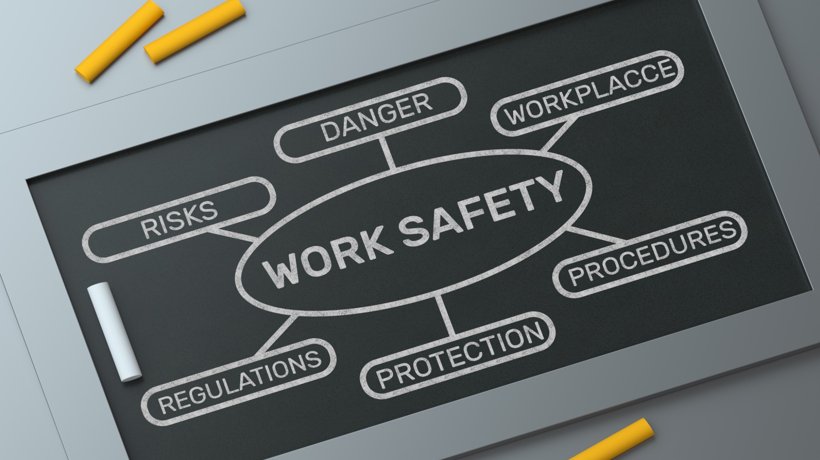
As global industries face stricter regulations and increasing stakeholder expectations, Environmental, Health, and Safety (EHS) Guidelines have become critical frameworks for ensuring sustainable operations. These guidelines help organizations maintain safe work environments, protect natural resources, and comply with evolving laws. Beyond compliance, EHS best practices are now a cornerstone of operational excellence and corporate reputation.
What Are EHS Guidelines?
EHS Guidelines are structured sets of standards and procedures that organizations adopt to ensure environmental protection, employee health, and workplace safety. They define the minimum expectations for compliance, helping businesses identify risks, prevent accidents, and mitigate environmental impacts.
Developed by regulatory agencies such as the World Bank Group, OSHA, and national environmental authorities, EHS Guidelines are often industry-specific and align with international standards like ISO 14001 (Environmental Management) and ISO 45001 (Occupational Health & Safety). Whether for a factory floor or a corporate office, these guidelines create a unified approach to managing risks and improving sustainability.
5 Key Components of EHS Guidelines
An effective EHS framework should address a wide range of operational factors. The following components form the foundation of a comprehensive EHS guideline suitable for manufacturing, logistics, and other industrial sectors:
Environmental Protection
EHS Guidelines promote sustainable resource use and pollution prevention. Key focus areas include :
- Waste management and recycling
- Emissions control (air, water, soil)
- Energy efficiency and carbon footprint monitoring
- Compliance with ISO 14064, 14067, and 50001 standards
- Hazardous material handling
Workplace Safety
This section ensures that all workers operate in secure and compliant environments. It covers :- Incident prevention and emergency response planning
- Safety training and PPE usage
- Ergonomic risk management
- Fire prevention systems and evacuation protocols
- Equipment and machine guarding standards
Occupational Health
Guidelines ensure long-term employee health by regulating :
- Air and noise quality
- Ventilation and lighting
- Exposure to chemicals and physical hazards
- Health screening and wellness programs
Regulatory Compliance
Regular audits, inspections, and compliance tracking ensure alignment with :
- Local, national, and international regulations (e.g., OSHA, EPA)
- Industry-specific environmental and safety standards
- Document control and reporting procedures
Training and Employee Engagement
Well-informed employees are crucial to effective EHS implementation :
- Ongoing safety and environmental training programs
- Internal reporting systems for near misses or unsafe behaviors
- Culture-building activities to reinforce accountability
How to Implement EHS Guidelines in Your Business
Implementing EHS Guidelines effectively requires a structured, company-wide approach that integrates risk management, operational processes, and digital technologies. Below is a step-by-step guide, with examples tailored to the manufacturing industry—a sector where EHS performance is especially critical due to complex workflows, equipment-intensive environments, and stringent regulatory requirements.
Step 1:Assess Current Risks & Compliance Gaps
Proactive risk monitoring and real-time hazard alerts can drastically cut down the number of accidents and injuries. This reduces the burden of workers' compensation claims, healthcare expenses, and related insurance premiums.
Step 2: Develop Company-Specific EHS Policies
Based on assessment results, formulate internal EHS policies aligned with legal requirements and operational priorities. For manufacturing firms, this might include specific handling protocols for hazardous materials, noise abatement plans, or maintenance routines for critical machinery. Define key performance indicators (KPIs) and assign responsibilities across departments.
Step 3: Deploy Digital Monitoring Tools
Introduce IoT-enabled sensors, data loggers, and analytics platforms to gather real-time information on environmental conditions and equipment performance. These tools provide early detection of anomalies and help ensure regulatory compliance. In manufacturing, sensors can monitor air quality, temperature thresholds, vibration levels, and energy consumption.
Step 4: Train Employees and Build Awareness
Implement comprehensive training programs covering workplace safety, emergency response, environmental protocols, and digital tools usage. Leverage user-friendly dashboards and mobile access to empower employees to report unsafe behavior or near-misses instantly. Engagement drives cultural adoption and continuous improvement.
Step 5: Audit, Report, and Continuously Improve
Establish a regular auditing cycle to verify policy adherence and evaluate performance metrics. Use digital reporting tools to compile insights and demonstrate compliance to authorities and stakeholders. Data-driven reviews uncover trends and inform ongoing enhancements in EHS strategy.
By following these steps, businesses—particularly in high-risk sectors like manufacturing—can effectively embed EHS principles into daily operations, improve risk control, and foster a proactive safety culture.
EHS platforms with integrated energy monitoring can identify inefficient systems or high-consumption assets, guiding cost-saving sustainability measures over time.
Benefits of Following EHS Guidelines
Adopting and adhering to EHS Guidelines brings significant value to any organization, far beyond simply meeting regulatory obligations. These guidelines promote a holistic approach to managing risks, improving workplace conditions, and aligning with global sustainability standards. Below are the key benefits:
Improved Operational Efficiency and Morale
Establishing clear EHS protocols enhances daily operations by reducing uncertainty, streamlining procedures, and creating a structured work environment. Employees feel more secure and valued, which boosts productivity, motivation, and retention.
Reduced Workplace Accidents and Legal Risks
Consistent monitoring, preventive measures, and employee training lower the chances of accidents and near-misses. This minimizes legal exposure and ensures compliance with safety laws, reducing the risk of regulatory violations and associated fines.
Stronger Reputation and ESG Performance
Organizations that proactively implement EHS standards gain credibility among stakeholders. Demonstrating commitment to sustainability, employee welfare, and ethical operations can improve ESG (Environmental, Social, Governance) scores and strengthen investor confidence.
Enhanced Regulatory Readiness
Organizations that regularly update and enforce EHS practices are better equipped to handle inspections, audits, and evolving compliance requirements without disruption.
These benefits collectively contribute to a safer, more resilient business capable of navigating both operational challenges and external pressures with confidence.
Make EHS Guidelines Part of Your Culture
Building a culture of safety, compliance, and sustainability begins with effective implementation of EHS Guidelines—and the right tools can make all the difference. Advantech’s smart EHS solutions empower organizations to move from reactive compliance to proactive risk prevention, unlocking greater efficiency and long-term resilience. Advantech offers a suite of intelligent applications designed to address the core needs of modern EHS management:- Facility Management & Sustainability (FMS) System : Advantech’s FMS platform utilizes IoT technology to collect and visualize real-time data on energy consumption, carbon emissions, and facility operations. This enables businesses to monitor ESG performance, detect anomalies in energy usage, and optimize sustainability efforts across sites.
- Maintenance : The Maintenance system of WISE-Marketplace provides predictive analytics for asset management, helping companies identify equipment failures before they happen. By automating repair schedules and streamlining technician workflows, it ensures higher uptime and better resource utilization—critical for operational safety and efficiency.
- RTM (Real-Time Monitoring) : With WISE-IoT’s RTM, businesses gain real-time visibility into machine status, environmental conditions, and production line health. Its low-code interface and customizable dashboards enable faster deployment, improved data accuracy, and immediate response to potential hazards.
Contact Us
Advantech is dedicated to supporting your company to build a safe environment and increase management efficiency. Our experts are here to guide you through each step of implementing effective, sustainable solutions. Please reach out to our team at Contact Us.
Join our community to see more industry insight:
.png)
